

The UC Berkeley Possibility Lab and CalMatters recently launched the Knowledge Hub, a groundbreaking digital repository that will make research more accessible for policymakers, government practitioners and communities across California.
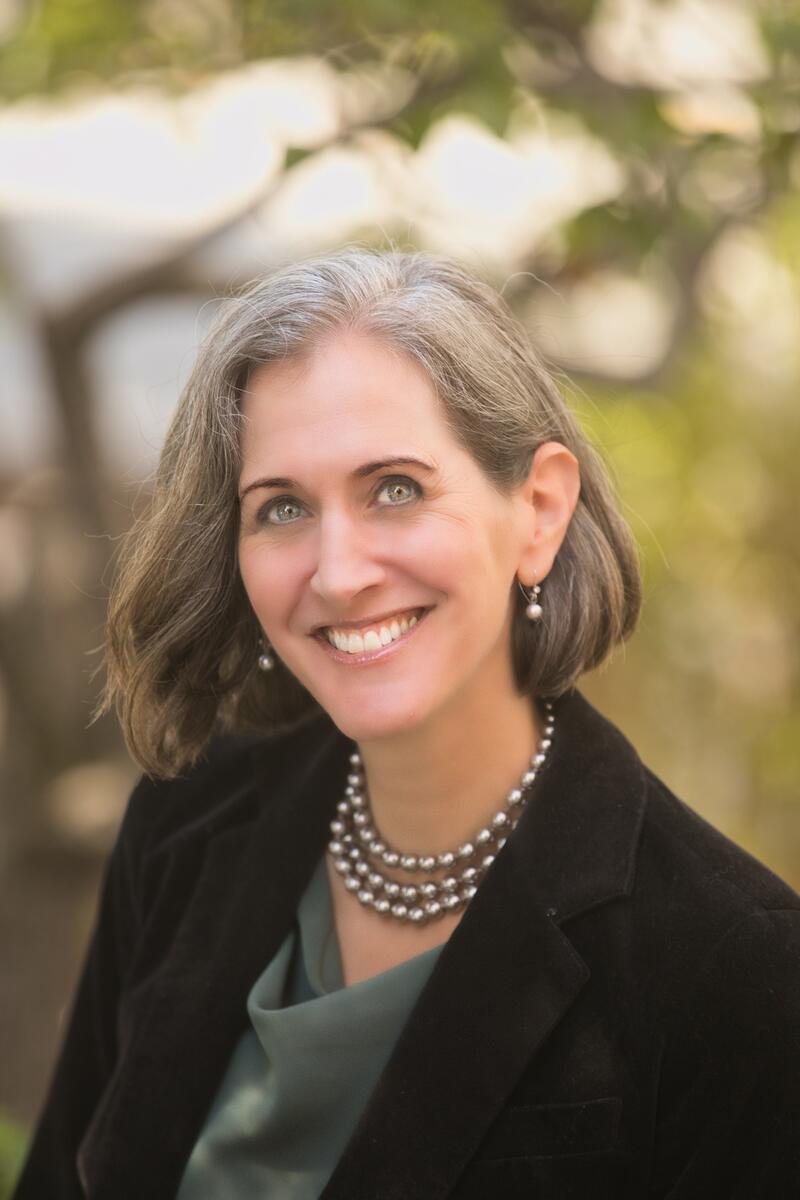
“The Knowledge Hub combines the expertise of our researchers with a trusted reporting resource,” said UC Berkeley Political Science and Public Policy Professor Amy Lerman, the executive director of the Possibility Lab. “It’s designed to help people with decision-making power be able to make practical use of our research.”
This project is the first of its kind, and it goes beyond merely translating data. By giving policymakers the tools they need to address pressing challenges, it will help them choose which policies to propose and support.
“Policymaking for a strong democracy requires high-quality research and accurate information,” CalMatters CEO Neil Chase said in a news release. “We’re proud that the Knowledge Hub will help everyone, from legislators to the Californians who elect them and guide their decisions, to be smarter about the most crucial issues we face. And we’re thrilled to be able to launch it in close partnership with the wonderful team at the UC Berkeley Possibility Lab.”
The Knowledge Hub also hopes to spark conversations and ideas among the public. In connecting diverse audiences to their research, they hope to inspire people to engage in critical conversations.
“A core part of our work is thinking about how to move these conversations forward,” said Lerman. “With each story, we want to inform how people engage with social issues in California. We're thinking carefully about what kind of data and research to bring to the table.”
The website will feature a wide range of research. When browsing the Knowledge Hub, readers can expect to find summaries, videos, data visualizations and interactive designs. These tools will focus on big-picture problems and solutions.
“The Knowledge Hub is structured in a very community-engaged way,” said Jesse Melgar, a senior advisor for strategy and public affairs at the Possibility Lab. “It leverages all the tools of multimedia. It's not just packaged as a PDF, which is normally the case with academic research. We want everyone to be able to enter this space.”
In the coming months, the Knowledge Hub will showcase research on key issues in California. Topics covered will span from healthcare, to green energy, to clean water. The Possibility Lab team will then explore how those topics fit into a broader framework of people-centered policymaking.
“This research is critically important,” said Lerman. “We don't tend to view innovation in the social sciences in the same way as the medical sciences, for example. But if we ask the right questions and answer them in a rigorous way, the social sciences can save lives.”
For example, social science research played a crucial role during the pandemic. It made sure people could access accurate and culturally relevant information, highlighted how community organizations could support one another and helped shape life-saving policy decisions.
“Many of the problems we're currently facing reside within our social, economic and political systems,” said Lerman. “These are the places where we need the social sciences. The Knowledge Hub will help policymakers understand these problems and provide data for solutions.”
One topic highlighted on the Knowledge Hub is research on the California Environmental Quality Act (CEQA). While this act is often seen as slowing down construction of new housing and other infrastructure, it also plays a key role in preventing environmental harm. This is one example of a trade-off question the Knowledge Hub posed to California voters.
“We want to understand how Californians feel about these really hard choices,” said Lerman. “If we’re going to solve complex issues like the housing crisis, it’s important to have these conversations.”
Another challenge the project aims to address is helping researchers effectively disseminate their work. It's often unclear how to connect research with the right people, which leads to innovative work going unnoticed, according to Lerman. By making research more accessible, the Knowledge Hub hopes to change this.
“We hope this encourages researchers to dig deeper into those subjects and join conversations where their contributions matter,” she said. “Conversely, we hope that research will help policymakers make critical decisions. This is the first step in building stronger ties between UC Berkeley, the UC system, policymakers and California communities.”